
Smokos G.O.A.T: Featured Games, Lobby Categories And Game Choices
Smokos G.O.A.T is a featured shelf within the game lobby. It provides another way to browse titles alongside categories such as New Pokies, Exclusive Picks, Degen Favourites and Clayton’s Picks. Its role is organisation: it is not a separate account level, a paid membership or a change to a game’s rules.
A title can appear in more than one collection. That overlap does not create additional games or improve winning probabilities. The relevant stake, return settings and features belong to the specific title and version that is opened.
Use the shelf to find a game, then read the game’s own rules before making any financial decision. Featured placement is not evidence that a title is suitable for your circumstances. Cash play can result in losing the entire amount committed, and access remains subject to geographic and other eligibility restrictions.
What G.O.A.T Means In The Lobby
The G.O.A.T label identifies a collection of featured titles. In everyday language, the abbreviation can suggest something exceptional, but a lobby label should not be interpreted as an objective mathematical ranking. It does not establish which game will return the most in a particular session.
Keep three concepts separate:
- Placement: The shelf determines where a title appears while browsing.
- Mechanics: The game rules determine how bets, features and payouts work.
- Personal suitability: Your understanding, budget and circumstances determine whether a decision is appropriate.
A prominently placed title can attract attention simply because it is easy to see. That does not turn the placement into evidence of better value. Read the relevant game details before deciding what, if anything, to do next.
A Featured Shelf Is Not A Membership
Opening the category does not itself establish special account privileges. A browsing collection should not be confused with loyalty status, cashback eligibility or a separate subscription.
If an account offer is associated with a title, read that offer separately. A game can appear in a featured collection without being eligible for every promotion. Category placement and promotional treatment are different questions.
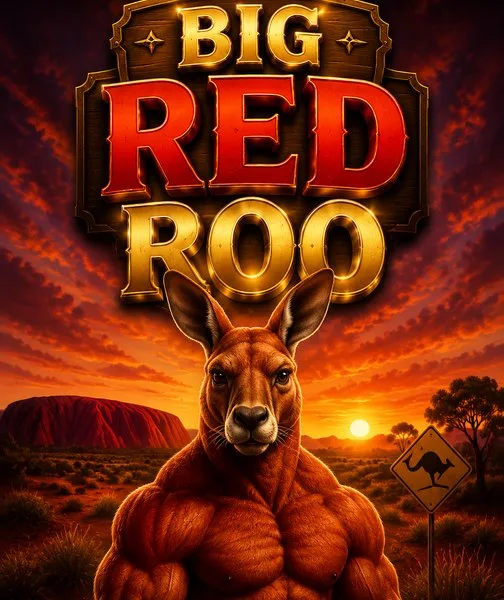
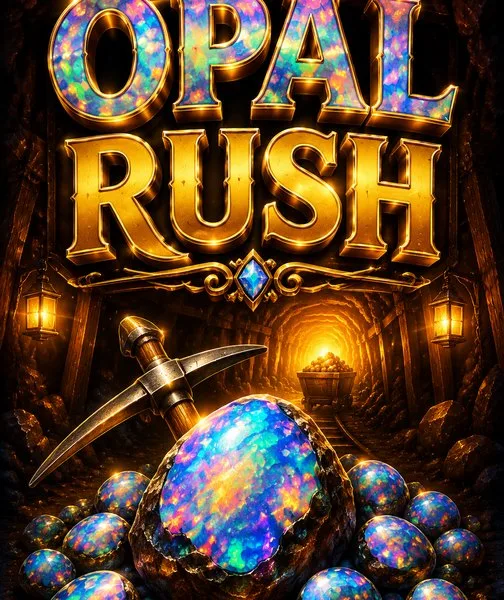
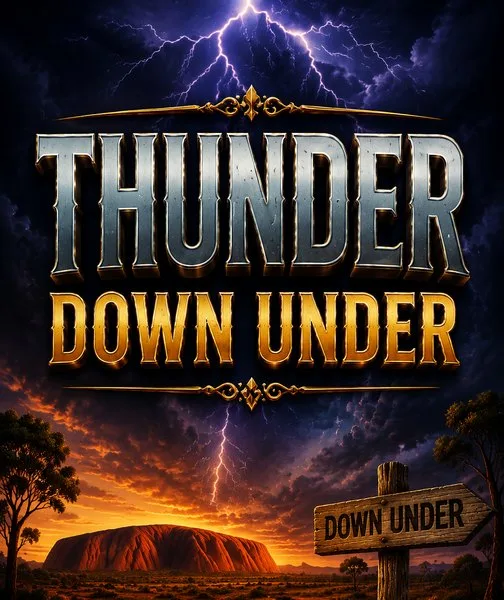
Titles currently carrying the goat tag in the catalogue.
Finding A Title In The G.O.A.T Collection
Browsing becomes clearer when the title, image and game details are considered together. A tile is a shortcut to a title, not the complete explanation of its cost or rules.
Before opening a game, check:
- Exact name: Make sure the intended title is being selected.
- Visible badge: Treat labels such as new or exclusive as separate descriptors.
- Game format: Establish whether the title is a slot, table format or another type.
- Next step: Distinguish opening rules, a demonstration and cash play where those options exist.
Do not assume that a familiar image always represents the same version. Similar titles or themed variants can differ in features and settings. The game screen and paytable should resolve those details.
Avoid Counting Repeated Tiles As Different Games
A title may appear in several shelves because categories overlap. Repeated placement can make a lobby feel larger without adding a new version of the game.
When comparing selections, identify unique titles rather than counting every tile position. If two entries appear different, check whether they actually open separate games or simply provide different routes to the same one.
G.O.A.T Compared With Other Smokos Categories
Different shelves can help organise attention without creating a hierarchy of winning chances. Use each label for its browsing purpose and check the underlying title separately.
The main distinctions are practical:
- G.O.A.T: A featured collection for browsing selected titles.
- New Pokies: A route for locating recently added titles.
- Exclusive Picks: A collection labelled around selected or exclusive content.
- Degen Favourites: A category associated with higher-volatility play.
- Clayton’s Picks: Another curated selection within the lobby.
These descriptions do not establish a personal recommendation. A game appearing in several categories still uses its own rules, and an individual player’s outcome is not determined by the shelf used to find it.
Newness And Exclusivity Are Different Claims
A recently added title is not necessarily exclusive. An exclusive title is not necessarily new. Neither label means that the game offers lower risk or a better short-term return.
Where exclusivity matters, establish what it covers rather than making assumptions. It might concern a particular presentation or version. Do not interpret the word as a promise that the mathematics have been improved.
Reading A Featured Game’s Rules
The rules should explain how a bet is evaluated, what winning combinations qualify and how special features behave. A short description beside a tile cannot replace those details.
Start with:
- Winning structure: Identify paylines, adjacent ways, clusters or another rule.
- Stake calculation: Confirm the complete cost after any optional settings.
- Special symbols: Read how wilds, scatters and other symbols are used.
- Feature triggers: Establish what starts a bonus sequence and how it settles.
The rules should be read for the specific title, not borrowed from a similar-looking game. Shared themes and familiar symbols can conceal important differences in behaviour.
Check The Final Stake
A coin value, line value and total bet can be different figures. If a setting changes, confirm the total amount committed by a completed round.
Optional extra bets and feature purchases deserve particular attention. Their cost can be much higher than the smallest number visible on the screen. A featured position does not make an accidental extra purchase less costly.





RTP And Why Placement Does Not Change It
RTP describes a theoretical long-run return across a very large amount of play. It does not predict what a particular person will receive from one session. A title can have a high theoretical percentage and still exhaust a small budget quickly.
A featured shelf does not itself alter that percentage. Relevant details include:
- The exact version: Different configurations of a title may exist.
- The stated setting: Use the percentage applicable to the opened game.
- The measurement period: RTP concerns long-run mathematics rather than a session promise.
- The remaining risk: Losing the full amount committed remains possible.
Do not use a percentage as a guarantee of how long a balance will last. A long-run average is not a personal payment schedule.
Compare Like With Like
A percentage quoted for another version may not apply. Check the actual settings rather than assuming that a title’s name determines a single universal return.
Even a correct comparison has limits. RTP does not describe every aspect of a game’s outcome distribution. Volatility and feature structure can make two titles feel very different despite similar theoretical percentages.
Volatility, Features And Session Experience
Volatility concerns the frequency and size of returns. A higher-volatility game can produce long gaps between meaningful wins, while another may distribute more of its return through smaller outcomes. Neither pattern guarantees an affordable or profitable session.
When comparing featured titles, consider:
- Return pattern: Understand whether larger outcomes are concentrated in rare features.
- Stake range: Check whether the minimum fits a genuinely affordable budget.
- Feature concentration: Establish how much attention the game gives to occasional bonus rounds.
- Stop point: Keep the planned boundary independent of whether a feature arrives.
A title’s maximum win is not a description of a typical session. It should not be used as a financial target or a reason to increase a stake after losses.
No Game Becomes Due Through Waiting
A quiet session does not make a feature owed to a particular person. Previous independent outcomes do not create a guarantee about the next round.
Do not stay simply because a title is popular or repeatedly featured. A collection can attract attention, but it cannot provide a reason to exceed a personal limit. Leaving before a large outcome appears is a normal decision.
Bonus Rounds, Multipliers And Feature Costs
Features can make a title visually distinctive while introducing separate rules and costs. Read what activates the feature, what stake applies and how the result is calculated.
Distinguish:
- In-game free spins: A feature triggered under the title’s own rules.
- Promotional spins: Account rewards that can carry separate conditions.
- Multipliers: Values applied to particular outcomes according to the game.
- Feature purchases: Paid access that can commit many times an ordinary spin.
A multiplier animation does not necessarily apply to every win or the full account balance. Wait for the completed settlement and read which outcomes qualified.
A Purchased Feature Can Still Lose Money
Paying for a feature does not guarantee a return greater than its cost. The purchase can concentrate a significant part of a budget into one event.
Check whether promotional play permits the purchase before proceeding. A visible game control does not establish eligibility under every account offer. If the rule is unclear, leave the option unused until the condition is understood.
Demonstration Modes And Familiarisation
Where a demonstration is available, it can help explain the controls and sequence of features. It is a way to understand presentation without treating virtual outcomes as cash.
Use demonstrations for practical questions:
- Control layout: Find stake settings and confirmation buttons.
- Rule reading: Learn how the paytable and help screens are opened.
- Feature sequence: Observe the stages of a bonus round.
- Display clarity: Check whether the game is readable on the intended device.
Virtual credits cannot be withdrawn. A demonstration is not proof that a later cash session will produce the same pattern of outcomes.
Keep Learning Separate From Depositing
Understanding a title does not create an obligation to fund an account. If a demonstration makes a large win feel easily repeatable, pause before making a financial decision.
A losing demonstration also does not mean a cash session is due a better result. Treat the two activities as separate, and do not use either sequence to predict what the next session will return.
Mobile Browsing And Featured Collections

A featured shelf can be convenient on a smaller display because it reduces the amount of browsing needed. The convenience does not remove the need to read a title’s controls and cost.
Mobile checks should include:
- Readable text: Make sure the stake and rules can be seen clearly.
- Correct tile: Confirm the title after swiping or scrolling.
- Stable layout: Check controls again after rotating the device.
- Safe access: Use a trusted browser and avoid unfamiliar installation packages.
If a tap opens the wrong title, leave it rather than assuming the difference is unimportant. A similar picture can lead to a different rule set or stake.
Connection Interruptions And Repeated Taps
A slow response can make it tempting to press a control again. Check whether the first action was accepted before repeating it, particularly where money or a game round is involved.
After reconnecting, inspect the settled result before starting another round. A video or animation pause does not necessarily mean the underlying bet failed. Keep the relevant reference if an issue remains.
Promotions And Featured Games
A title’s presence in G.O.A.T does not establish that it counts towards a welcome bonus or another reward. Promotional eligibility is defined by the specific offer, which can include exclusions and contribution rates.
Before using promotional credit, check:
- Eligible titles: Establish whether the chosen game qualifies.
- Contribution rate: Understand how much of a stake counts towards wagering.
- Maximum bet: Check the permitted total, including optional features.
- Expiry and cancellation: Read what happens if the offer ends or is declined.
A contribution rate changes the turnover required; it does not make the underlying bets less risky. More required activity can mean more exposure.
Do Not Play Solely To Preserve A Bonus
An unfinished wagering target can create pressure to continue. That pressure should not change a spending limit or lead to additional deposits.
If the conditions no longer fit the budget, stop and establish the cancellation treatment. Protecting essential money is more important than keeping access to a promotional balance. A reward is not an obligation to gamble.
A Practical Checklist Before Choosing A Featured Title
A consistent checklist can keep a visually busy lobby from driving a rushed decision. It should answer concrete questions about the game and the intended session.
Check the following:
- Purpose: Are you browsing, reading rules or using a demonstration?
- Eligibility: Is the relevant service permitted in your circumstances?
- Cost: What is the full stake or feature purchase amount?
- Understanding: Can you explain the main winning and feature rules?
- Boundary: What time and spending limits apply to the whole session?
If any answer is unclear, pause. There is no need to choose a title simply because it occupies a prominent position or appears beside a countdown.
Keep The Same Boundary Across Categories
Moving from G.O.A.T to another shelf does not create a new budget. Add spending across titles and devices when understanding the result.
A change of game can change the rules, but it does not erase previous losses. Avoid treating a new theme as a fresh financial start or a more reliable opportunity to recover money already spent.
Game Questions And Support Records
A question about a featured title should identify the actual game and event. The collection name alone may not locate a round or explain a settlement.
Keep useful details:
- Exact title: Identify the game rather than only the shelf.
- Date and time: State when the event occurred.
- Round reference: Retain the identifier connected with the accepted bet.
- Posted result: Describe the settlement or balance change that appears wrong.
Do not send passwords or full payment credentials in an ordinary message. Screenshots should show the relevant event without exposing unnecessary personal material.
Separate Placement Questions From Settlement Questions
A missing tile or unexpected category is a browsing question. A disputed accepted bet is a game-settlement question. They require different details.
Describe which one occurred and what outcome needs clarification. A focused explanation is more useful than a general complaint that a featured game did not perform as expected.
Responsible Decisions Around Featured Content
Prominent placement can encourage attention, but it should not decide how much to spend. Keep entertainment choices separate from essential costs and financial commitments.
Warning signs deserve attention:
- Chasing: Continuing because an earlier loss feels recoverable.
- Deadline pressure: Extending play because an event or promotion is ending.
- Spending for status: Gambling more to qualify for a reward or tier.
- Difficulty stopping: Repeatedly ignoring planned time or loss boundaries.
If these patterns appear, stop and seek qualified support. A different category or title is not a substitute for taking a genuine break.
Game Identity, Badges And Claims
A tile can display several kinds of detail at once: a title, studio name, category and badge. Each describes something different. Reading them separately helps avoid turning a browsing label into a claim about fairness, availability or payout quality.
Studio Names And Game Versions
A studio name helps identify the source of a title, but it does not replace the game’s own rules. Where several versions exist, check the one actually opened. The same theme can be used across different mechanics, and a familiar studio name does not guarantee that every title suits the same session.
Claims about testing or certification should relate to the game and evidence. A featured badge is not a certificate. Do not infer a particular technical standard simply because a game appears in a collection with an impressive name.
Popularity Is Not A Personal Suitability Test
A game can receive attention for its theme, animation, recognisable title or placement. Those factors do not establish what an individual can afford to lose. Your circumstances matter more than how often a tile is displayed.
Avoid treating another person’s winning screenshot as a forecast. It usually shows one selected event rather than the cost of the session. A large return can attract attention without revealing earlier deposits, failed rounds or the probability of repeating it.
Keeping A Featured-Game Session Understandable
A record can help distinguish game activity from promotional or payment activity. Keep the accepted round, credited result and available balance separate. A displayed win can include the original stake rather than representing pure profit.
Check The Final Settlement
Some features display several intermediate values before the complete result appears. Wait until settlement finishes before deciding that an amount is missing. If the final result still looks inconsistent, retain the relevant round reference.
Do not place another bet simply to see whether the balance updates. Additional activity can make the sequence harder to follow and expose more money while the original question remains unresolved.
End Deliberately
Before leaving, check whether an accepted round remains unsettled and keep any reference needed for follow-up. Sign out on shared equipment and protect any saved screenshot.
Ending a session does not require a satisfying final win or a completed feature. A planned boundary is a sufficient reason to stop, even when the lobby continues to offer more titles.
Smokos G.O.A.T FAQs
No. It is a featured game collection within the lobby. It should not be confused with a loyalty tier or membership. Any account reward has its own conditions, which should be read separately.
Placement alone does not improve mathematical odds. The exact game rules and settings determine outcomes. Use the paytable and applicable version rather than interpreting a prominent tile as a performance guarantee.
Yes, categories can overlap. Repeated placement does not automatically create another version or different return setting. Check the actual title and game screen when comparing entries.
No assumption should be made. Promotions can exclude titles, apply reduced contributions or restrict stakes and features. Read the specific offer conditions before using promotional funds.
No. Demo play can explain controls and features, but virtual outcomes do not forecast cash results. A demonstration also does not make a deposit necessary.
Confirm the title, readable stake and control layout. Avoid repeated taps during a slow response and check the round history after an interruption. Convenience does not replace understanding the amount being committed.