Smokos Login: Account Access, Password Recovery And Mobile Sign-In
Smokos login should begin with a verified account-access route and details that belong to you. Before entering credentials, confirm the destination and make sure the device is trusted. A familiar logo or a message using the brand name does not establish that a page is genuine.
This page covers sign-in preparation, password recovery, email access and common browser problems. It also distinguishes a technical failure from an account restriction. A page that does not load, an incorrect password and a self-excluded account are different situations and should not be handled through the same workaround.
Do not share a password, authentication code or recovery link with someone offering to sign in for you. Account help should follow the supported recovery process. If an account is restricted because of location, eligibility or exclusion, do not try to bypass that restriction.
Before Entering Your Account Details
A careful sign-in starts before the password field. Check the page, device and email account connected with recovery. These checks help avoid entering credentials into an unfamiliar destination or leaving access available on shared equipment.
Confirm the following:
- Destination: Use a verified route rather than a link received unexpectedly in a message.
- Device: Avoid entering credentials on a borrowed or public computer where possible.
- Email access: Make sure the registered mailbox remains under your control.
- Session privacy: Check that other people cannot see or capture the details being entered.
A secure-looking page is not enough on its own. Encryption can protect a connection without proving that the destination is the intended service. Confirm the complete address and context rather than relying only on a padlock symbol.
Keep Geographic Restrictions Separate
Technical access does not establish legal eligibility. An account can have valid credentials while a particular service remains unavailable in a location. Do not use a sign-in problem as a reason to conceal where you are.
People physically in Australia should understand that providing online casino services there is prohibited. Australian-facing branding or an AUD display does not remove that restriction. Do not use location workarounds to obtain access.
Signing In With Existing Credentials
Use the email address and password associated with the account. Small entry errors can be difficult to spot, especially on a phone keyboard or when a browser fills an older credential automatically.
Follow a deliberate sequence:
- 01Check the email: Confirm spelling and remove accidental spaces.
- 02Check the password entry: Pay attention to case, keyboard layout and any unintended autofill.
- 03Submit once: Allow the page to respond before repeating the action.
- 04Read the result: Distinguish an entry error from a restriction or technical message.
- 05Stop uncertain attempts: Use the appropriate recovery route instead of repeatedly guessing.
If the page reports success but the expected account state does not appear, check the visible destination and status. Avoid entering the same credentials into several unfamiliar pages while trying to find a working version.
Watch For Old Autofill Entries
A saved password can be out of date after a reset. A browser may also offer credentials for a different account or similarly named destination. Check what was filled before submitting.
Do not create several saved entries with unclear labels. A password manager can be useful when it keeps unique credentials attached to the correct destination. Its convenience should not replace checking that the selected entry is the intended one.
Choosing And Protecting A Password
A unique password limits the damage that a security problem elsewhere can cause. Reusing the same secret for email, shopping and gambling accounts creates a shared point of failure.
Useful password habits include:
- Uniqueness: Use a secret that is not reused for another account.
- Strength: Avoid predictable names, dates and simple repeated patterns.
- Private storage: Keep credentials in a trusted password manager rather than an exposed note.
- Controlled access: Do not send the password to someone claiming to provide account assistance.
A password should remain secret even when a support conversation feels urgent. Someone helping explain a process does not need to take over the account using your credentials.
Secure The Associated Email Account
The registered mailbox can be central to account recovery. If someone can read its messages, a strong account password may not be enough to prevent interference.
Use a unique email password and available security controls. Check recovery addresses and devices if access seems compromised. Securing only the casino account while leaving email exposed may leave the recovery route vulnerable.
Password Recovery And Reset Messages
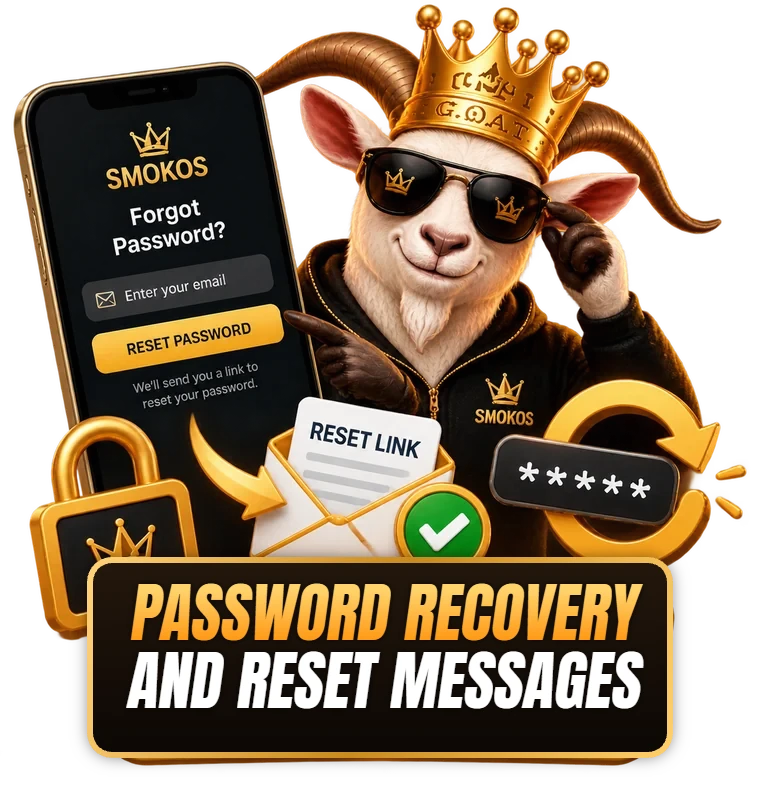
A password reset should use the supported recovery route. Enter the relevant account identifier carefully and wait for the expected message. Avoid making many requests in rapid succession.
A practical sequence is:
- 01Request recovery: Use the genuine account-access process.
- 02Check the mailbox: Look in the inbox, spam and relevant filtered folders.
- 03Use the current message: Avoid confusing several reset requests.
- 04Set a new secret: Choose a unique password rather than recycling the previous one.
- 05Check saved credentials: Update or remove outdated entries after the change is complete.
A reset link can provide access to a sensitive account process. Treat it as private. Do not forward it to someone offering to complete the change on your behalf.
Missing Or Expired Reset Messages
Check that the entered email address matches the account. A typo or an older address can prevent the expected message from arriving. If several requests were made, identify the most recent valid one.
An expired link should be handled through a fresh supported request. Do not change the link manually or use a message from an unfamiliar source. If the mailbox itself is inaccessible, explain that specific problem through the ownership-recovery process.
Email Confirmation And Account Notices
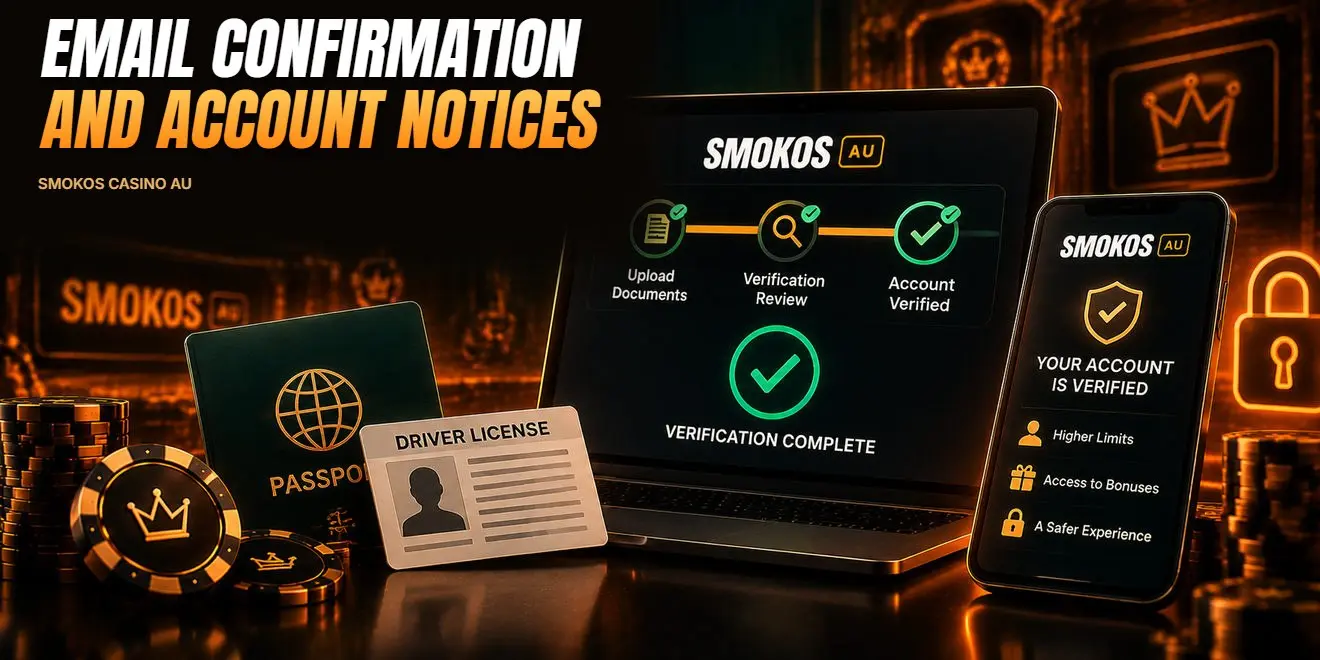
Email confirmation can be a separate step from entering a password. A message may confirm ownership of the mailbox without completing every identity or payment check associated with the account.
Read the purpose of a message before acting. Distinguish:
- Address confirmation: A step that connects the mailbox with the account.
- Password recovery: A process that changes access credentials.
- Security notice: A warning about account activity or a change.
- Marketing message: A promotion that should not be confused with an essential account instruction.
A promotional message is not a requirement to sign in or gamble. If marketing makes a break harder to maintain, change contact preferences and consider stronger restrictions where appropriate.
Unexpected Messages Require Care
An unsolicited message can use familiar branding or urgent language. Check the context and destination before entering details. Do not disclose authentication codes because a message claims the account will otherwise be closed.
If a security notice appears unexpected, use the normal verified account route to inspect the situation. Avoid using the unexpected message itself as the only route to a sensitive action.
Locked, Suspended And Closed Accounts
An account restriction is not necessarily a password problem. Repeated sign-in attempts may not resolve it and can create more confusion. Read the visible message and establish the type of restriction involved.
Possible categories include:
- Entry-related restriction: A control connected with unsuccessful access attempts.
- Verification requirement: An outstanding identity or ownership question.
- Account decision: A restriction that requires clarification through the proper process.
- Exclusion or closure: A deliberate limit that should not be bypassed.
Do not assume a particular lock duration unless it has been confirmed for the account. A general page description may not explain the circumstances of a specific case.
Ask About The Outstanding Requirement
A useful enquiry states the visible message, the affected step and the approximate time. Ask what action is required rather than requesting an unofficial workaround.
Do not create a second account to escape a restriction. That can introduce identity, payment and exclusion problems. A genuine account issue should be addressed through the relevant process using accurate details.
Self-Exclusion And Account Access
Self-exclusion is intended to create distance from gambling for the relevant period. A desire to sign in after an offer arrives or a loss feels recoverable does not change the purpose of the restriction.
If an account is excluded:
- Do not open another account: A new identity or email should not be used to avoid the restriction.
- Avoid alternate routes: Switching devices or services can undermine the decision to stop.
- Protect essential funds: Keep money needed for ordinary life separate from gambling access.
- Seek support: Use qualified help if the urge to bypass the restriction remains strong.
Account correspondence about remaining funds or a complaint can be a separate matter from access to games. Ask about the appropriate route without seeking to resume gambling.
A Break Should Not Become A Countdown
Use time away to address spending, emotional pressure and routines. Planning a large return session can preserve the same harmful pattern even while an account remains temporarily inaccessible.
If gambling messages make the break harder, address marketing preferences as well. A contact preference and an exclusion can have different effects, so do not assume one automatically creates the other.
Mobile Sign-In And Home-Screen Shortcuts

A phone or tablet can access account pages through a browser, but a smaller screen can make details harder to inspect. Check the complete destination and the credentials selected by autofill.
Useful mobile precautions include:
- Screen privacy: Avoid entering details where another person can watch.
- Correct destination: Check the address after opening a shortcut or message.
- Current browser: Use ordinary supported updates and settings.
- Shared access: Sign out if the device is used by someone else.
A home-screen icon may be only a shortcut. It does not establish that a separately maintained native app exists. Do not install an unfamiliar package simply because it uses the Smokos name.
Avoid Unverified APKs
An APK is an Android installation package. Installing an unfamiliar one can expose a device to risks that ordinary browser access does not require.
Do not disable device protections to install a claimed account-access tool. If a route cannot be verified, leave it unused. A login problem should be handled through the supported process rather than unfamiliar software.
Browser Problems And Safe Troubleshooting
A browser fault can affect page loading or form behaviour without meaning that credentials are wrong. Identify the visible problem before making changes that could remove useful context.
Check basic points first:
- Connection: Establish whether other ordinary pages load.
- Browser state: Look for a stalled page or an unfinished request.
- Entry details: Confirm that the intended credentials were submitted.
- Visible message: Record the actual error rather than guessing the cause.
If a payment or game round was active, preserve its reference before refreshing. A sign-in issue should not lead to duplicate transactions or repeated bets after access returns.
Cookies And Saved Sessions
Browser data can affect whether a session remains available. Clearing it may sign the account out or remove stored preferences. Understand that effect before treating a cleanup as a routine fix.
Do not disable essential security controls or broadly weaken browser protections. If a page requires an unusual setting change, clarify the supported approach. Safe troubleshooting should not depend on exposing the device or bypassing restrictions.
Lost Devices And Suspected Unauthorised Access
If a device is lost or account activity seems unfamiliar, secure the account and associated email through their supported processes. Do not continue gambling while trying to establish whether access remains private.
Prioritise:
- Email security: Protect the recovery route and inspect unexpected changes.
- Account credentials: Use the supported process to replace exposed secrets.
- Device access: Use appropriate device-protection controls available to you.
- Case records: Retain details of unfamiliar activity without sharing secret credentials.
Do not confront an unfamiliar contact by sending more account details. A message claiming to know a password is not a reason to disclose current codes or payment credentials.
Keep The Enquiry Specific
State what appeared unfamiliar, when it was noticed and which account function was affected. Separate a login event from a payment or game transaction.
If evidence is requested, use the secure route and provide only what is needed. A full identity file or financial history should not be sent merely because an ordinary message asks for more detail without explaining the purpose.
Getting Help With A Sign-In Problem
A useful access message describes the step that fails and the result shown. It should be possible to understand the issue without knowing the secret password.
Include:
- Account context: Identify the relevant account through the permitted details.
- Affected step: State whether the issue is sign-in, recovery or email confirmation.
- Exact message: Give the relevant error wording where available.
- Recent change: Mention a password reset, new device or changed email if it relates to the problem.
Keep one case reference for follow-up where possible. Several separate messages can make it difficult to distinguish a continuing problem from a new event.
Do Not Send Unnecessary Secrets
A support message is not a place for passwords, authentication codes or full card details. Those details do not explain a browser error or demonstrate a genuine recovery claim.
If ownership evidence is required, follow the designated secure process. Ask which specific requirement needs to be established rather than attaching every document available.
Sign-In Habits That Keep Account Tasks Clear
A short routine can reduce avoidable mistakes. Check the destination, confirm the credential and read the response before repeating an action. These steps are particularly useful after a device change or password reset.
After finishing:
- Check pending tasks: Make sure no unsent message or unfinished account action remains.
- Save relevant references: Retain payment or support details needed for later follow-up.
- Sign out on shared equipment: Do not leave access available to another person.
- Step away deliberately: Avoid returning simply because the page remains open.
An account-access routine should support privacy and clarity. It should not become a prompt to start another gambling session. Signing in to resolve a payment or document issue does not require playing.
Accessibility, Entry Errors And Clear Account Messages
A sign-in process should be understandable before any sensitive detail is entered. If text is difficult to read or a control is unclear, pause and adjust the display or ask about the supported approach. Guessing at an unfamiliar button can create an unintended account action.
Keyboard Layout And Accidental Spaces
Different devices can use different keyboard layouts. Capitalisation, punctuation and saved entries may therefore behave differently from what you expect. Check the account identifier carefully without exposing the password to another person.
Copying an email address can also introduce an accidental space. A small error can prevent the intended account from being found while making the page appear faulty. Correct the entry before assuming a technical problem.
Do not repeatedly change credentials when the issue concerns a mistyped address. Identify which field or step is being rejected first. This keeps recovery messages and saved passwords from becoming unnecessarily complicated.
Distinguish Similar Brand Names
A familiar name can appear in unrelated businesses, messages or search results. The name alone does not establish that two pages belong to the same account service. Check the destination and the context of the sign-in task.
Avoid entering credentials into several pages simply because they use similar wording. If the intended route is uncertain, resolve that uncertainty before typing. A legitimate account task should not require testing the same password across unfamiliar destinations.
Keep the response or error message for a support enquiry where useful. Describe what appeared without including the secret entered. This preserves the relevant evidence while keeping credentials private.
Smokos Login FAQs
Confirm the email, keyboard layout, case and autofill entry. Avoid repeated guessing. Use the supported recovery route if the secret is uncertain, and distinguish an entry error from a message about an account restriction.
Do not share a recovery link or authentication code with another person. Use the supported process yourself and keep the registered mailbox secure. Help with understanding a step should not require handing over account access.
An incorrect address, filtering or several overlapping requests can cause confusion. Check the relevant folders and account email. If the mailbox is no longer accessible, explain that issue through the ownership-recovery route rather than creating another account.
No. An icon can be a browser shortcut. Do not install an unfamiliar APK or weaken device protections because it uses familiar branding. Verify the access route and use supported browser options.
No. Changing devices should not be used to avoid an exclusion or eligibility restriction. Respect the purpose of the break and seek qualified support if the urge to bypass it remains difficult to manage.
Account access can be used for a specific administrative task without starting a session. Resolving a document or payment question does not require another deposit or bet. Keep those decisions separate and retain personal spending boundaries.